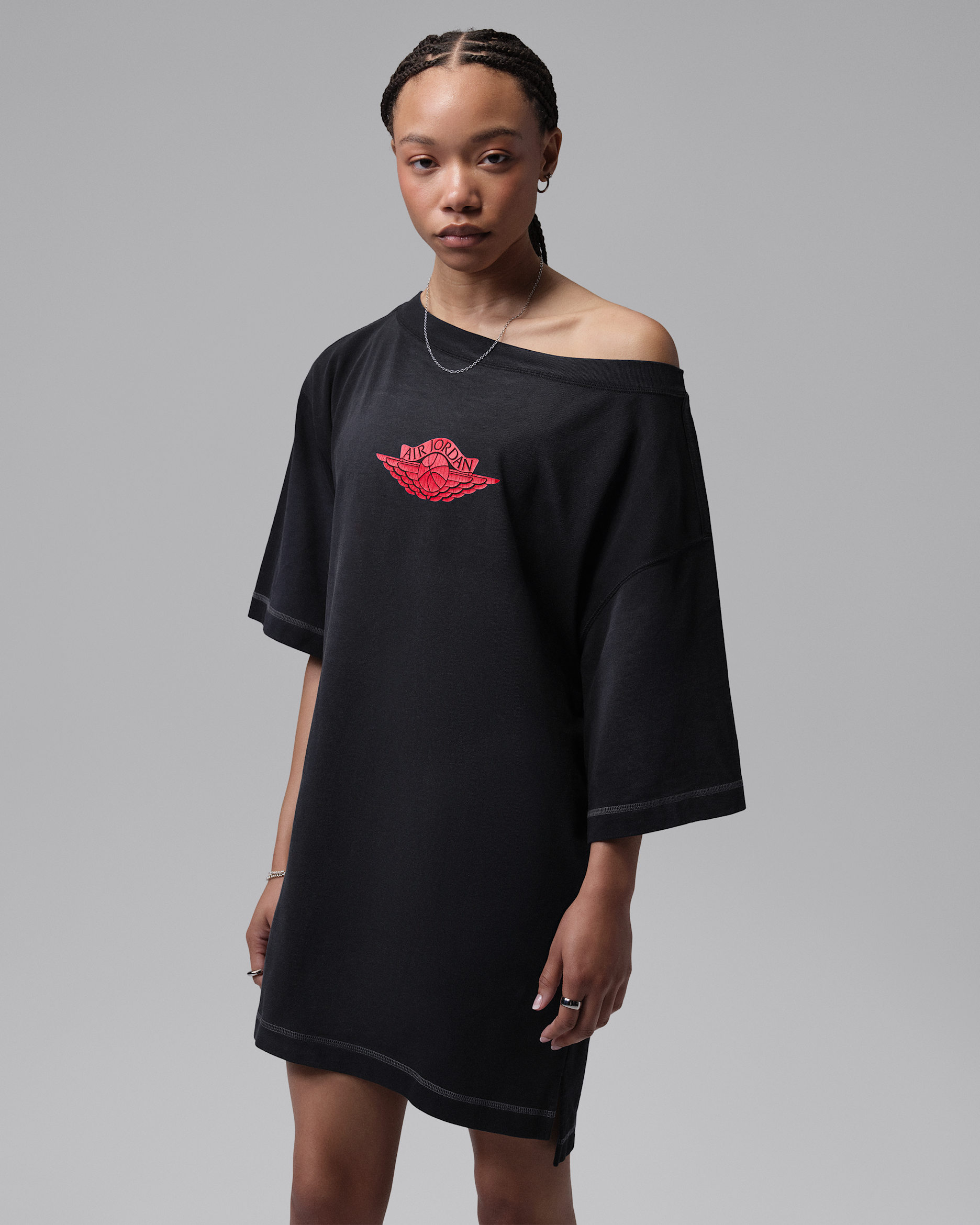
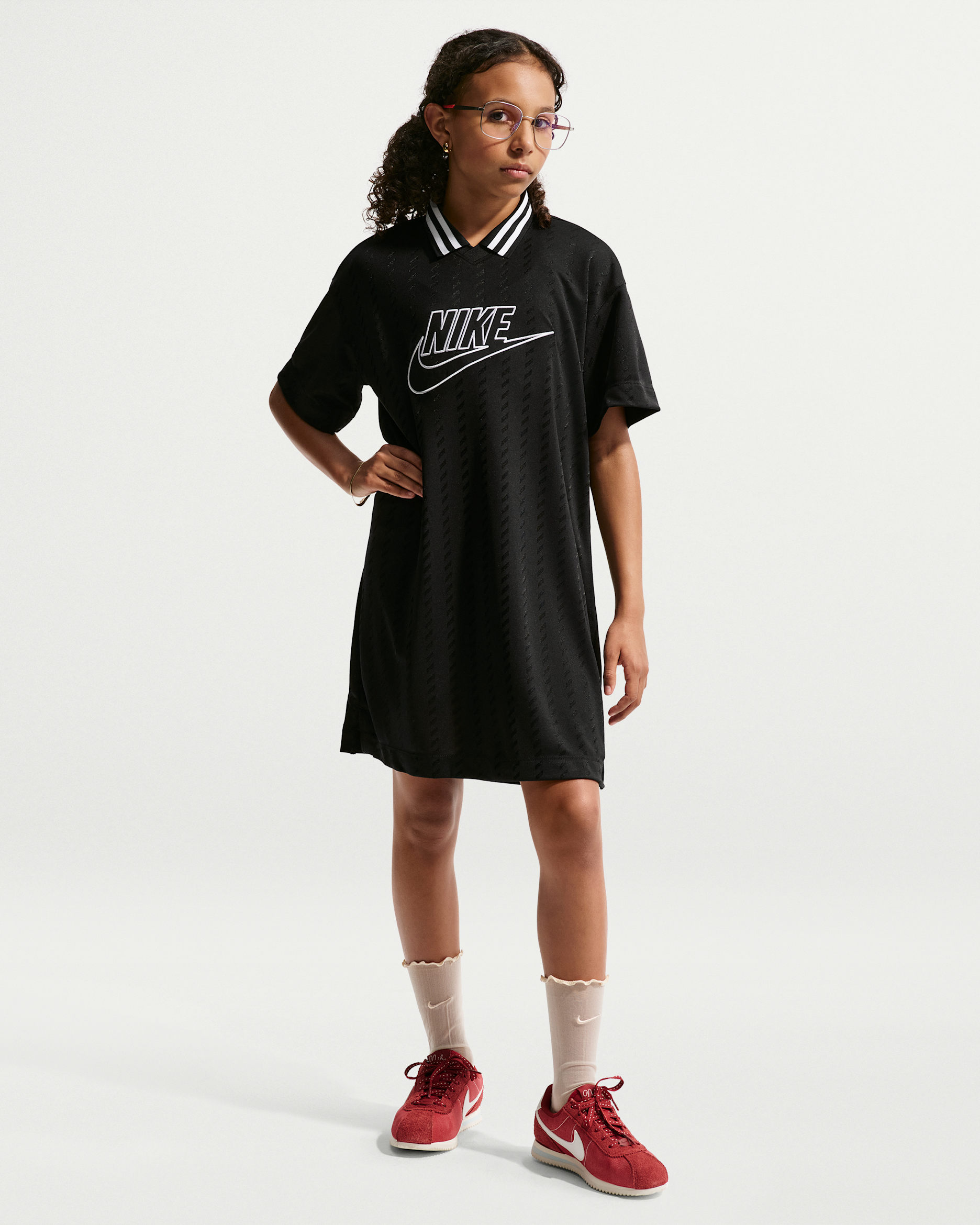
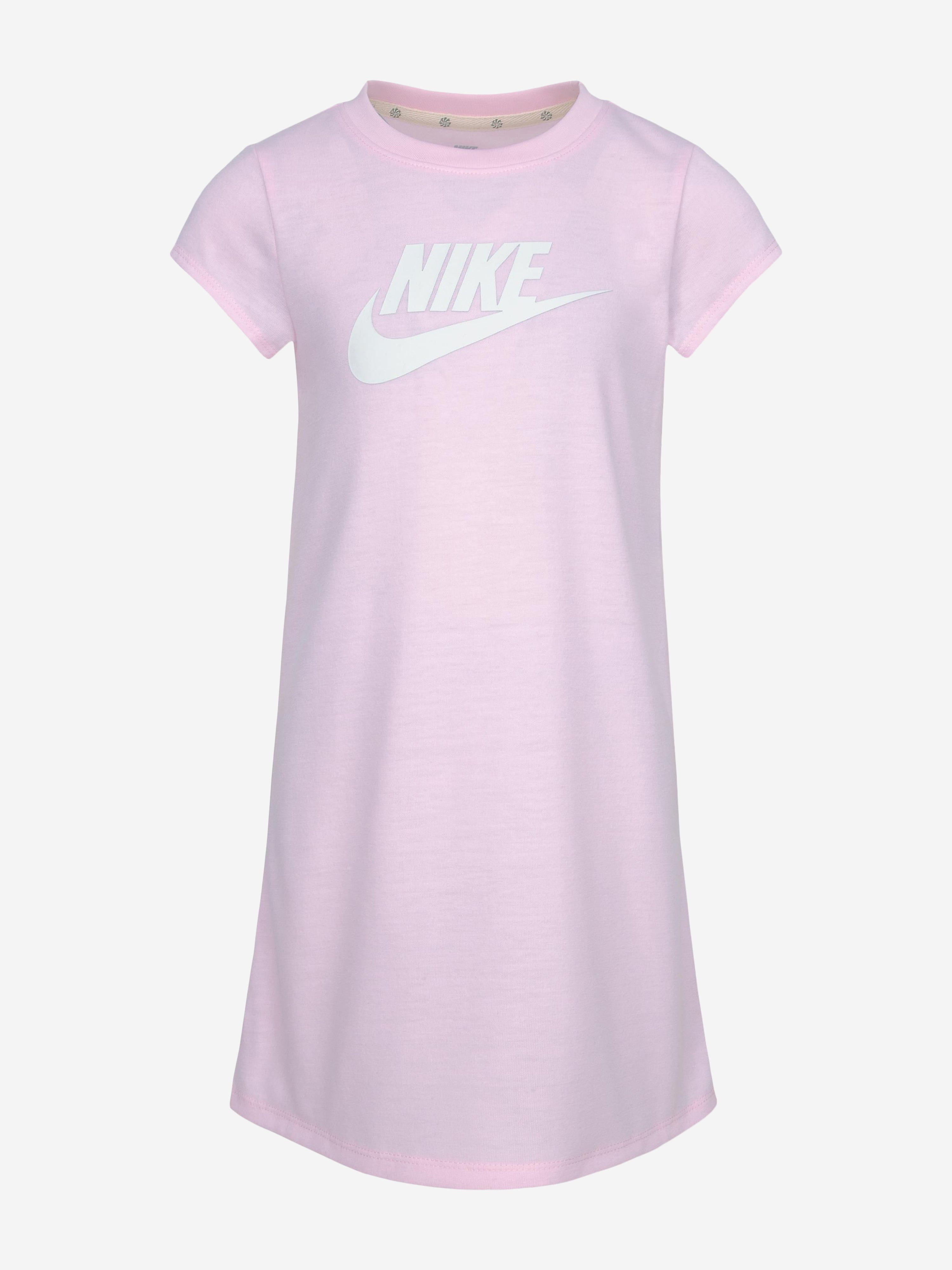
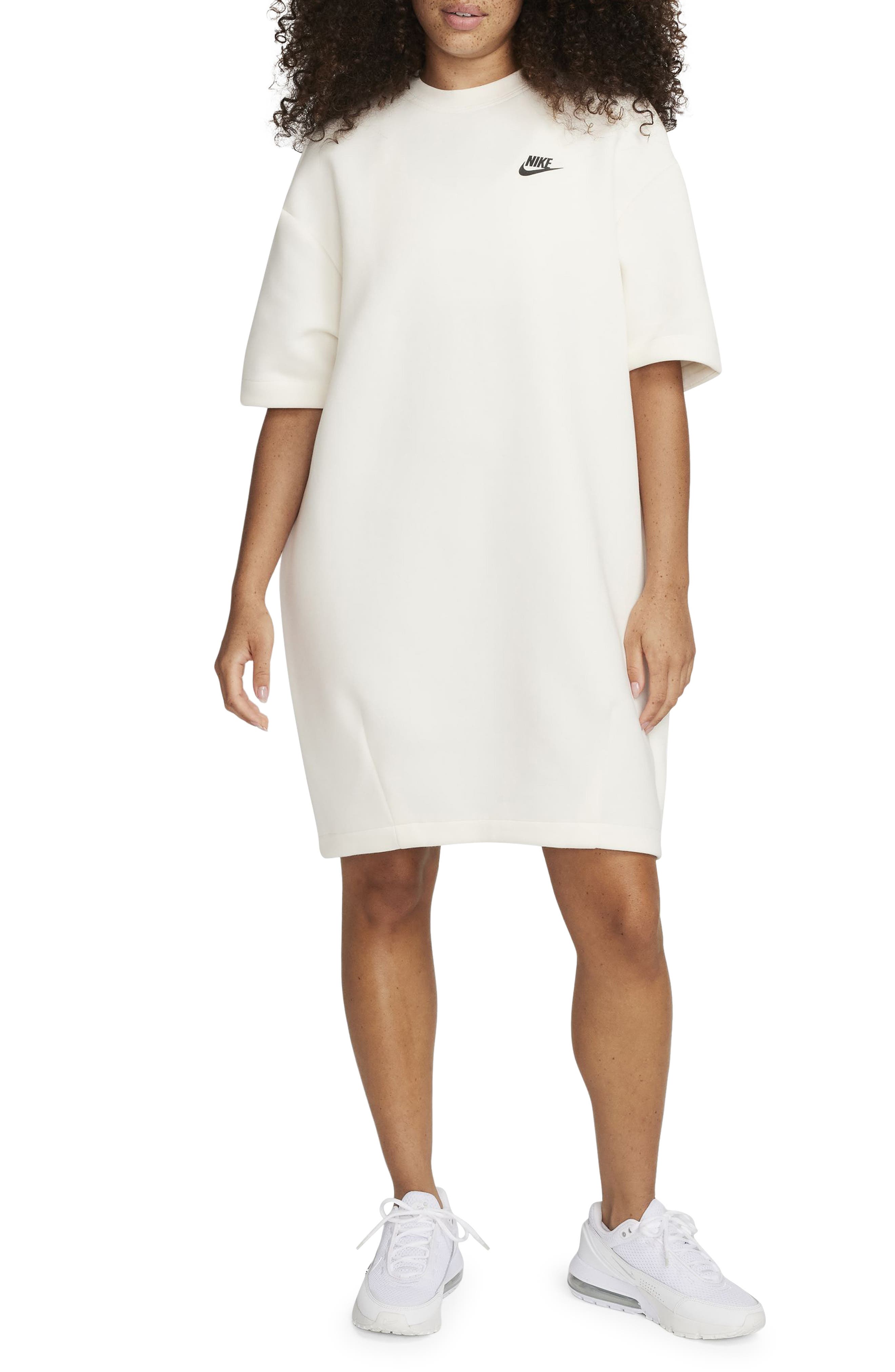
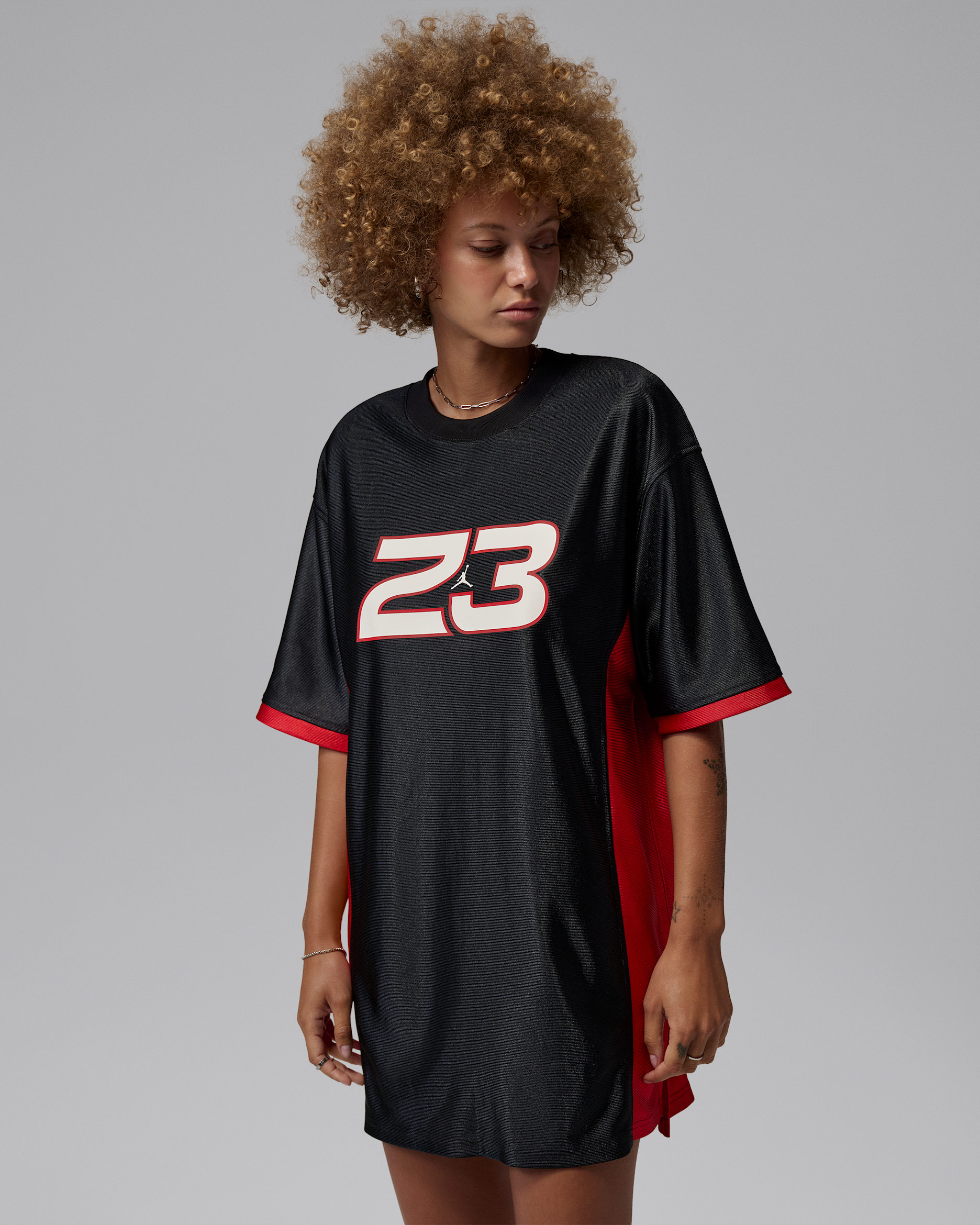
Jordan Flight Women's T-Shirt Dress
USD26.58
Formal Attire for Men: Formal Dress Code Explained Key Takeaways Formal dress codes typically require a dark suit or tuxedo paired with a white dress shirt and formal shoes, setting a significantly higher standard than business or semi-formal attire this piece reflects the label’s modern approach to sports Color:Veronese Green https://img.yfisher.com/m5912/1767945485490-2419/jpg70-t4-width675.webp Charcoal Light Grey Chiffon Dress Charcoal Gray Gown Charcoal Bridesmaid Dresses Kennedy Blue all styles Oversized
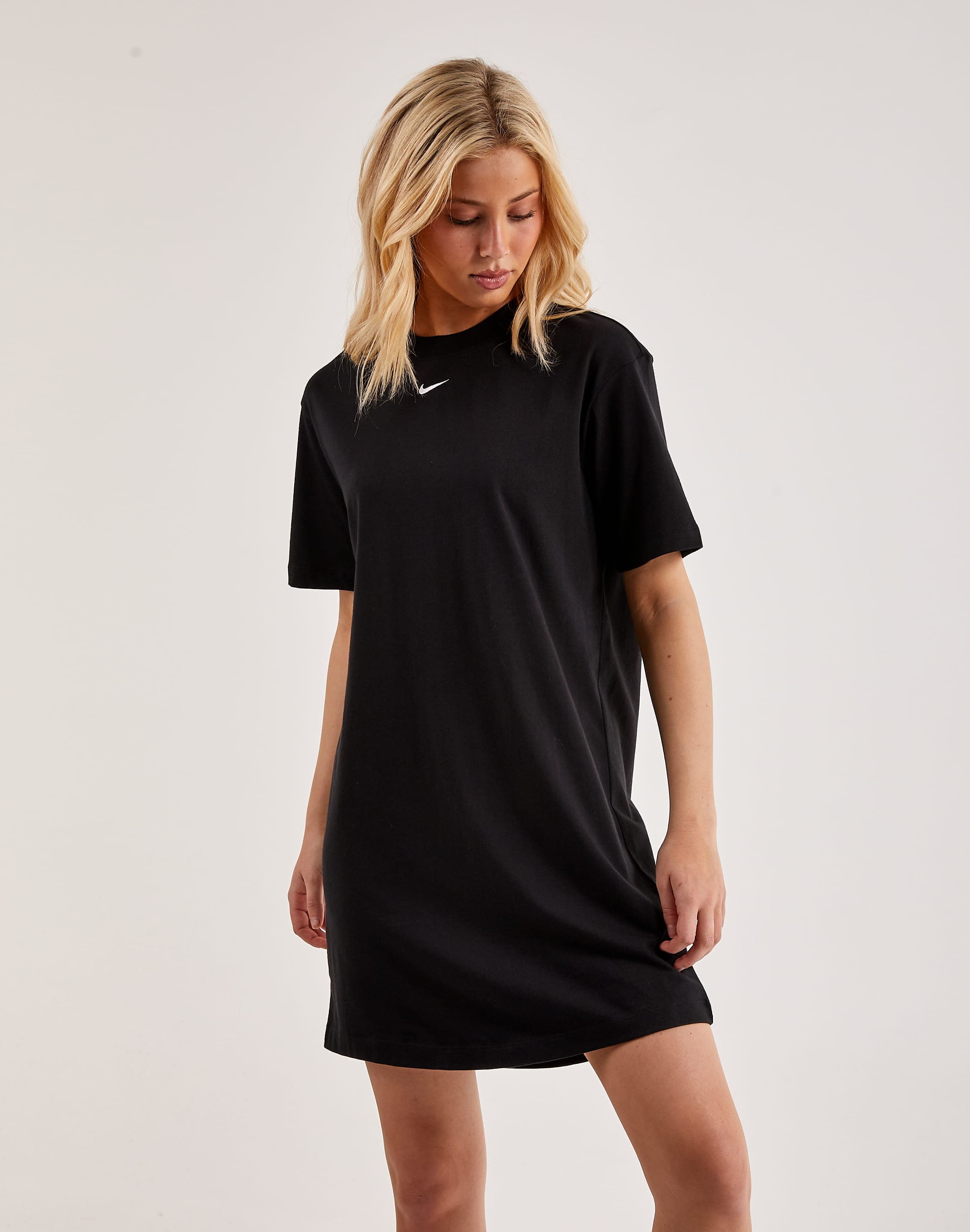
USD26.58
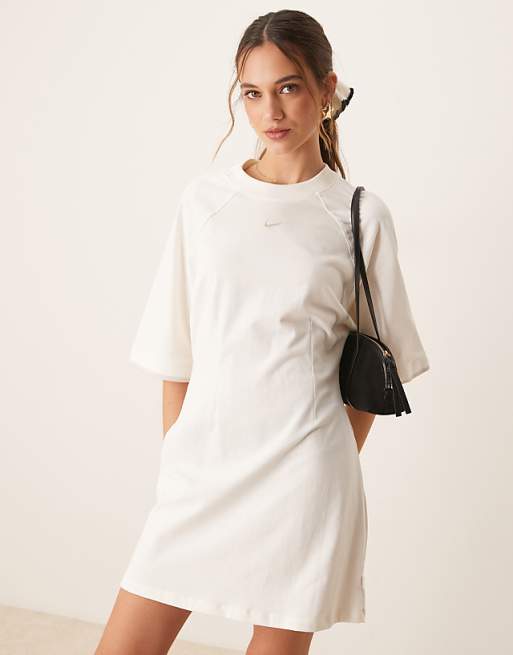


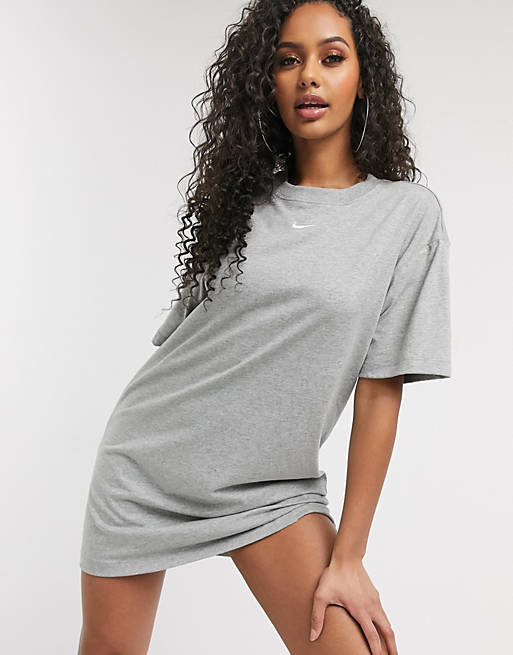
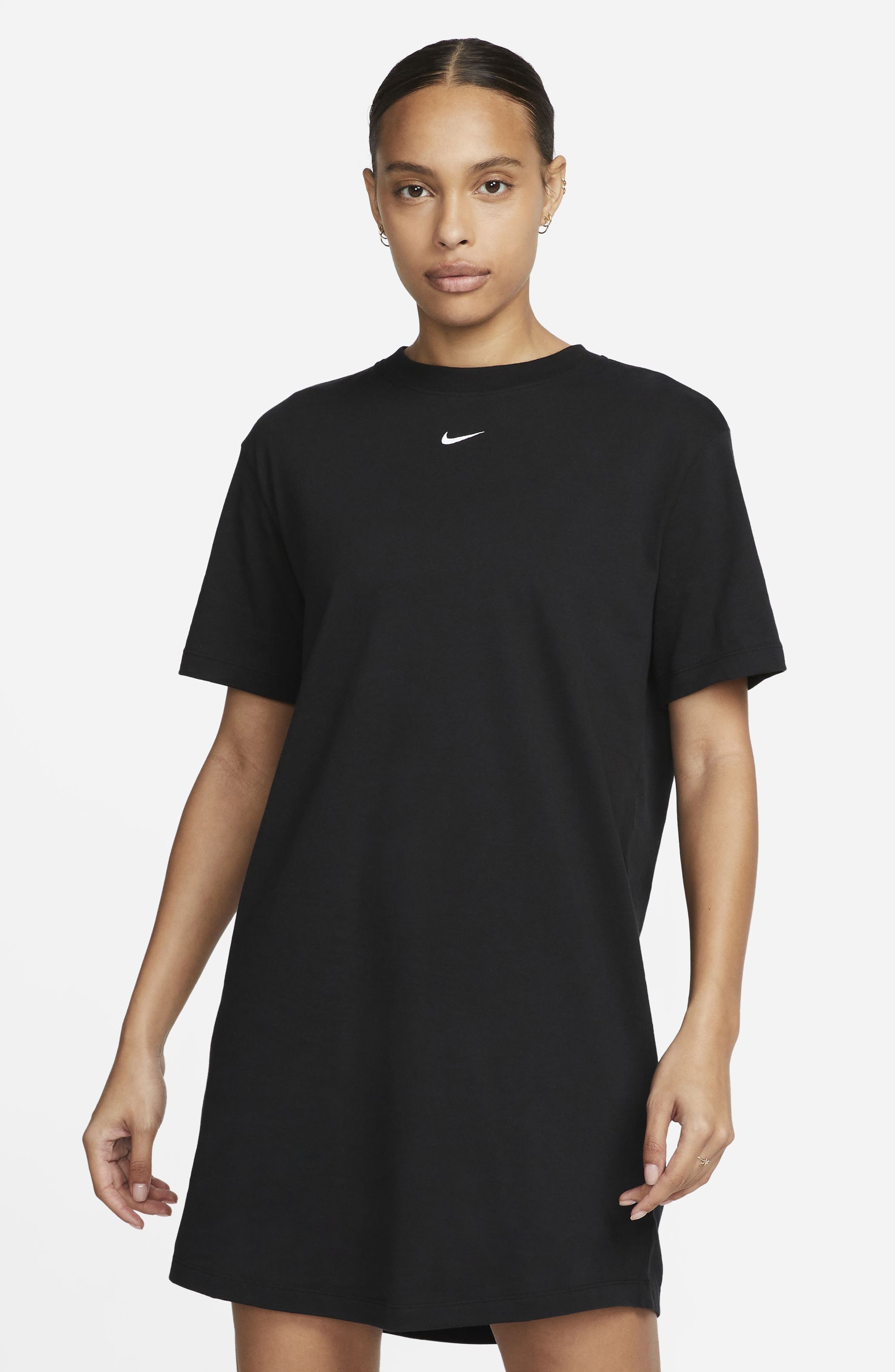
USD27.25






Petite Fashion Designer: Nicole Murphy
Trained in Apparel Design through a structured professional diploma program. Specializes in shorter-length occasionwear, with additional experience in petite skirt proportions accumulated over 21 years. Works with independent womenswear labels on seasonal capsule launches for New Zealand. Typical assignments involve planning fit trials for petite size ranges and reviewing bodice-to-skirt balance, with a consistent commitment to close review of details that affect comfort and presentation.
Strong shine makes folds near the join more visible. Let the fabric settle before adjusting accessories.
Compare an uneven hem with the shoe visible beneath its shortest point. The longest section does not describe the whole silhouette. Turn sideways to see the change in exposed leg. Shoes with strong contrast draw attention toward the uneven edge. Check the longest section during a turn.
The neckline can leave some brushed cloth against the skin. Avoid rubbing a patch aggressively.
Compare its measurements with those of the original selected garment. Ask about other available resolutions if the proposed skirt is unsuitable.
Inspect delivered edges for loose sections before removing any labels. Consider whether cleaning the detailed edge fits your usual routine.
Protect the garment from toiletries or other items that could leak during travel. Use a suitable hanger after arrival only if the garment's construction and care guidance allow hanging.